
This page will be updated as state-specific RHT program details become available. Select your state for more information
1. Subscribe to your State Office of Rural Health updates
Your SORH is the primary source for state-level RHT news, RFP announcements, and provider guidance. Find your state's SORH at ruralhealth.us/states.
2. Contact your state hospital or primary care association
State associations are tracking RHT implementation plans and are positioned to be among the first to share provider-facing funding opportunities. Ask specifically whether a technology or IT infrastructure funding track is included.
3. Prepare your facility's baseline documentation
Before an opportunity opens, gather: your current environmental monitoring setup and any identified gaps, documented compliance incidents or near-misses, relevant accreditation requirements (The Joint Commission, CAP, USP <800>), and a clear picture of your monitoring scope — number of areas, asset types, and sensor needs.
4. Talk to your OneVue Sense Representative
A OneVue Sense team member can help you understand how OneVue Sense maps to RHT-eligible categories and provide supporting documentation for your proposal. Fill out the form on this page to connect with a Primex representative.
This page will be updated as state-specific RHT program details become available. Check back for guidance tailored to your state.
As of February 17, 2026, Alaska launched its Letter of Interest (LOI) portal — the first formal step in provider applications. LOI registration closes March 11, 2026. The LOI process will be offered multiple times over the life of the program, so future rounds are expected.
Helpful State Resources:
Official RHTP Page: health.alaska.gov/en/education/rural-health-transformation-program/
Contact: RHTP@alaska.gov
Applicant Guide: https://health.alaska.gov/media/swhj3r0c/rhtp-applicant-resource-guide.pdf
1. Subscribe to your State Office of Rural Health updates
Your SORH is the primary source for state-level RHT news, RFP announcements, and provider guidance. Find your state's SORH at ruralhealth.us/states.
2. Contact your state hospital or primary care association
State associations are tracking RHT implementation plans and are positioned to be among the first to share provider-facing funding opportunities. Ask specifically whether a technology or IT infrastructure funding track is included.
3. Prepare your facility's baseline documentation
Before an opportunity opens, gather: your current environmental monitoring setup and any identified gaps, documented compliance incidents or near-misses, relevant accreditation requirements (The Joint Commission, CAP, USP <800>), and a clear picture of your monitoring scope — number of areas, asset types, and sensor needs.
4. Talk to your OneVue Sense Representative
A OneVue Sense team member can help you understand how OneVue Sense maps to RHT-eligible categories and provide supporting documentation for your proposal. Fill out the form on this page to connect with a Primex representative.
This page will be updated as state-specific RHT program details become available. Check back for guidance tailored to your state.
1. Subscribe to your State Office of Rural Health updates
Your SORH is the primary source for state-level RHT news, RFP announcements, and provider guidance. Find your state's SORH at ruralhealth.us/states.
2. Contact your state hospital or primary care association
State associations are tracking RHT implementation plans and are positioned to be among the first to share provider-facing funding opportunities. Ask specifically whether a technology or IT infrastructure funding track is included.
3. Prepare your facility's baseline documentation
Before an opportunity opens, gather: your current environmental monitoring setup and any identified gaps, documented compliance incidents or near-misses, relevant accreditation requirements (The Joint Commission, CAP, USP <800>), and a clear picture of your monitoring scope — number of areas, asset types, and sensor needs.
4. Talk to your OneVue Sense Representative
A OneVue Sense team member can help you understand how OneVue Sense maps to RHT-eligible categories and provide supporting documentation for your proposal. Fill out the form on this page to connect with a Primex representative.
This page will be updated as state-specific RHT program details become available. Check back for guidance tailored to your state.
1. Subscribe to your State Office of Rural Health updates
Your SORH is the primary source for state-level RHT news, RFP announcements, and provider guidance. Find your state's SORH at ruralhealth.us/states.
2. Contact your state hospital or primary care association
State associations are tracking RHT implementation plans and are positioned to be among the first to share provider-facing funding opportunities. Ask specifically whether a technology or IT infrastructure funding track is included.
3. Prepare your facility's baseline documentation
Before an opportunity opens, gather: your current environmental monitoring setup and any identified gaps, documented compliance incidents or near-misses, relevant accreditation requirements (The Joint Commission, CAP, USP <800>), and a clear picture of your monitoring scope — number of areas, asset types, and sensor needs.
4. Talk to your OneVue Sense Representative
A OneVue Sense team member can help you understand how OneVue Sense maps to RHT-eligible categories and provide supporting documentation for your proposal. Fill out the form on this page to connect with a Primex representative.
This page will be updated as state-specific RHT program details become available. Check back for guidance tailored to your state.
1. Subscribe to your State Office of Rural Health updates
Your SORH is the primary source for state-level RHT news, RFP announcements, and provider guidance. Find your state's SORH at ruralhealth.us/states.
2. Contact your state hospital or primary care association
State associations are tracking RHT implementation plans and are positioned to be among the first to share provider-facing funding opportunities. Ask specifically whether a technology or IT infrastructure funding track is included.
3. Prepare your facility's baseline documentation
Before an opportunity opens, gather: your current environmental monitoring setup and any identified gaps, documented compliance incidents or near-misses, relevant accreditation requirements (The Joint Commission, CAP, USP <800>), and a clear picture of your monitoring scope — number of areas, asset types, and sensor needs.
4. Talk to your OneVue Sense Representative
A OneVue Sense team member can help you understand how OneVue Sense maps to RHT-eligible categories and provide supporting documentation for your proposal. Fill out the form on this page to connect with a Primex representative.
This page will be updated as state-specific RHT program details become available. Check back for guidance tailored to your state.
1. Subscribe to your State Office of Rural Health updates
Your SORH is the primary source for state-level RHT news, RFP announcements, and provider guidance. Find your state's SORH at ruralhealth.us/states.
2. Contact your state hospital or primary care association
State associations are tracking RHT implementation plans and are positioned to be among the first to share provider-facing funding opportunities. Ask specifically whether a technology or IT infrastructure funding track is included.
3. Prepare your facility's baseline documentation
Before an opportunity opens, gather: your current environmental monitoring setup and any identified gaps, documented compliance incidents or near-misses, relevant accreditation requirements (The Joint Commission, CAP, USP <800>), and a clear picture of your monitoring scope — number of areas, asset types, and sensor needs.
4. Talk to your OneVue Sense Representative
A OneVue Sense team member can help you understand how OneVue Sense maps to RHT-eligible categories and provide supporting documentation for your proposal. Fill out the form on this page to connect with a Primex representative.
This page will be updated as state-specific RHT program details become available. Check back for guidance tailored to your state.
Key Resources
Official RHT Program News: news.delaware.gov
Open RFPs: bids.delaware.gov
State Contact: Christen Linke Young, Cabinet Secretary, DHSS — govcomm@delaware.gov
Delaware plans to continue to release Requests for Proposals throughout Spring 2026.
The most reliable way to catch Delaware's next RFP release the moment it happens is to subscribe to the Delaware state news daily digest at news.delaware.gov and monitor bids.delaware.gov directly.
Application Deadline: Florida has not yet released their Requests for Applications (RFA)
Official Georgia Rural Health Transformation Page: https://www.greathealth.georgia.gov
CMS Fund Obligation Deadline: October 30, 2026 — Budget Period 1 funds must be obligated by this date
Request for Grant Application (RFGA) Status: No Rural Stabilization Grant RFGA has been published as of April 2026 — monitor greathealth.georgia.gov and dch.georgia.gov/great-health-program for release announcements
Value-Based Care Webinar Recording: Watch the DCH AHEAD Model Information Session — covers how Georgia plans to structure the AHEAD model pre-implementation period
AHEAD-Eligible Hospital List: Download the GREAT Health Value-Based Care Eligible Hospital List — 93 hospitals identified as eligible for AHEAD model pre-implementation
HRSA Rural County Eligibility Check: data.hrsa.gov/tools/rural-health — confirm your hospital is in one of Georgia's 126 HRSA-rural counties
Key Contact: GREATHealth@dch.ga.gov
1. Subscribe to your State Office of Rural Health updates
Your SORH is the primary source for state-level RHT news, RFP announcements, and provider guidance. Find your state's SORH at ruralhealth.us/states.
2. Contact your state hospital or primary care association
State associations are tracking RHT implementation plans and are positioned to be among the first to share provider-facing funding opportunities. Ask specifically whether a technology or IT infrastructure funding track is included.
3. Prepare your facility's baseline documentation
Before an opportunity opens, gather: your current environmental monitoring setup and any identified gaps, documented compliance incidents or near-misses, relevant accreditation requirements (The Joint Commission, CAP, USP <800>), and a clear picture of your monitoring scope — number of areas, asset types, and sensor needs.
4. Talk to your OneVue Sense Representative
A OneVue Sense team member can help you understand how OneVue Sense maps to RHT-eligible categories and provide supporting documentation for your proposal. Fill out the form on this page to connect with a Primex representative.
This page will be updated as state-specific RHT program details become available. Check back for guidance tailored to your state.
1. Subscribe to your State Office of Rural Health updates
Your SORH is the primary source for state-level RHT news, RFP announcements, and provider guidance. Find your state's SORH at ruralhealth.us/states.
2. Contact your state hospital or primary care association
State associations are tracking RHT implementation plans and are positioned to be among the first to share provider-facing funding opportunities. Ask specifically whether a technology or IT infrastructure funding track is included.
3. Prepare your facility's baseline documentation
Before an opportunity opens, gather: your current environmental monitoring setup and any identified gaps, documented compliance incidents or near-misses, relevant accreditation requirements (The Joint Commission, CAP, USP <800>), and a clear picture of your monitoring scope — number of areas, asset types, and sensor needs.
4. Talk to your OneVue Sense Representative
A OneVue Sense team member can help you understand how OneVue Sense maps to RHT-eligible categories and provide supporting documentation for your proposal. Fill out the form on this page to connect with a Primex representative.
This page will be updated as state-specific RHT program details become available. Check back for guidance tailored to your state.
1. Subscribe to your State Office of Rural Health updates
Your SORH is the primary source for state-level RHT news, RFP announcements, and provider guidance. Find your state's SORH at ruralhealth.us/states.
2. Contact your state hospital or primary care association
State associations are tracking RHT implementation plans and are positioned to be among the first to share provider-facing funding opportunities. Ask specifically whether a technology or IT infrastructure funding track is included.
3. Prepare your facility's baseline documentation
Before an opportunity opens, gather: your current environmental monitoring setup and any identified gaps, documented compliance incidents or near-misses, relevant accreditation requirements (The Joint Commission, CAP, USP <800>), and a clear picture of your monitoring scope — number of areas, asset types, and sensor needs.
4. Talk to your OneVue Sense Representative
A OneVue Sense team member can help you understand how OneVue Sense maps to RHT-eligible categories and provide supporting documentation for your proposal. Fill out the form on this page to connect with a Primex representative.
This page will be updated as state-specific RHT program details become available. Check back for guidance tailored to your state.
1. Subscribe to your State Office of Rural Health updates
Your SORH is the primary source for state-level RHT news, RFP announcements, and provider guidance. Find your state's SORH at ruralhealth.us/states.
2. Contact your state hospital or primary care association
State associations are tracking RHT implementation plans and are positioned to be among the first to share provider-facing funding opportunities. Ask specifically whether a technology or IT infrastructure funding track is included.
3. Prepare your facility's baseline documentation
Before an opportunity opens, gather: your current environmental monitoring setup and any identified gaps, documented compliance incidents or near-misses, relevant accreditation requirements (The Joint Commission, CAP, USP <800>), and a clear picture of your monitoring scope — number of areas, asset types, and sensor needs.
4. Talk to your OneVue Sense Representative
A OneVue Sense team member can help you understand how OneVue Sense maps to RHT-eligible categories and provide supporting documentation for your proposal. Fill out the form on this page to connect with a Primex representative.
This page will be updated as state-specific RHT program details become available. Check back for guidance tailored to your state.
1. Subscribe to your State Office of Rural Health updates
Your SORH is the primary source for state-level RHT news, RFP announcements, and provider guidance. Find your state's SORH at ruralhealth.us/states.
2. Contact your state hospital or primary care association
State associations are tracking RHT implementation plans and are positioned to be among the first to share provider-facing funding opportunities. Ask specifically whether a technology or IT infrastructure funding track is included.
3. Prepare your facility's baseline documentation
Before an opportunity opens, gather: your current environmental monitoring setup and any identified gaps, documented compliance incidents or near-misses, relevant accreditation requirements (The Joint Commission, CAP, USP <800>), and a clear picture of your monitoring scope — number of areas, asset types, and sensor needs.
4. Talk to your OneVue Sense Representative
A OneVue Sense team member can help you understand how OneVue Sense maps to RHT-eligible categories and provide supporting documentation for your proposal. Fill out the form on this page to connect with a Primex representative.
This page will be updated as state-specific RHT program details become available. Check back for guidance tailored to your state.
1. Subscribe to your State Office of Rural Health updates
Your SORH is the primary source for state-level RHT news, RFP announcements, and provider guidance. Find your state's SORH at ruralhealth.us/states.
2. Contact your state hospital or primary care association
State associations are tracking RHT implementation plans and are positioned to be among the first to share provider-facing funding opportunities. Ask specifically whether a technology or IT infrastructure funding track is included.
3. Prepare your facility's baseline documentation
Before an opportunity opens, gather: your current environmental monitoring setup and any identified gaps, documented compliance incidents or near-misses, relevant accreditation requirements (The Joint Commission, CAP, USP <800>), and a clear picture of your monitoring scope — number of areas, asset types, and sensor needs.
4. Talk to your OneVue Sense Representative
A OneVue Sense team member can help you understand how OneVue Sense maps to RHT-eligible categories and provide supporting documentation for your proposal. Fill out the form on this page to connect with a Primex representative.
This page will be updated as state-specific RHT program details become available. Check back for guidance tailored to your state.
1. Subscribe to your State Office of Rural Health updates
Your SORH is the primary source for state-level RHT news, RFP announcements, and provider guidance. Find your state's SORH at ruralhealth.us/states.
2. Contact your state hospital or primary care association
State associations are tracking RHT implementation plans and are positioned to be among the first to share provider-facing funding opportunities. Ask specifically whether a technology or IT infrastructure funding track is included.
3. Prepare your facility's baseline documentation
Before an opportunity opens, gather: your current environmental monitoring setup and any identified gaps, documented compliance incidents or near-misses, relevant accreditation requirements (The Joint Commission, CAP, USP <800>), and a clear picture of your monitoring scope — number of areas, asset types, and sensor needs.
4. Talk to your OneVue Sense Representative
A OneVue Sense team member can help you understand how OneVue Sense maps to RHT-eligible categories and provide supporting documentation for your proposal. Fill out the form on this page to connect with a Primex representative.
This page will be updated as state-specific RHT program details become available. Check back for guidance tailored to your state.
1. Subscribe to your State Office of Rural Health updates
Your SORH is the primary source for state-level RHT news, RFP announcements, and provider guidance. Find your state's SORH at ruralhealth.us/states.
2. Contact your state hospital or primary care association
State associations are tracking RHT implementation plans and are positioned to be among the first to share provider-facing funding opportunities. Ask specifically whether a technology or IT infrastructure funding track is included.
3. Prepare your facility's baseline documentation
Before an opportunity opens, gather: your current environmental monitoring setup and any identified gaps, documented compliance incidents or near-misses, relevant accreditation requirements (The Joint Commission, CAP, USP <800>), and a clear picture of your monitoring scope — number of areas, asset types, and sensor needs.
4. Talk to your OneVue Sense Representative
A OneVue Sense team member can help you understand how OneVue Sense maps to RHT-eligible categories and provide supporting documentation for your proposal. Fill out the form on this page to connect with a Primex representative.
This page will be updated as state-specific RHT program details become available. Check back for guidance tailored to your state.
1. Subscribe to your State Office of Rural Health updates
Your SORH is the primary source for state-level RHT news, RFP announcements, and provider guidance. Find your state's SORH at ruralhealth.us/states.
2. Contact your state hospital or primary care association
State associations are tracking RHT implementation plans and are positioned to be among the first to share provider-facing funding opportunities. Ask specifically whether a technology or IT infrastructure funding track is included.
3. Prepare your facility's baseline documentation
Before an opportunity opens, gather: your current environmental monitoring setup and any identified gaps, documented compliance incidents or near-misses, relevant accreditation requirements (The Joint Commission, CAP, USP <800>), and a clear picture of your monitoring scope — number of areas, asset types, and sensor needs.
4. Talk to your OneVue Sense Representative
A OneVue Sense team member can help you understand how OneVue Sense maps to RHT-eligible categories and provide supporting documentation for your proposal. Fill out the form on this page to connect with a Primex representative.
This page will be updated as state-specific RHT program details become available. Check back for guidance tailored to your state.
1. Subscribe to your State Office of Rural Health updates
Your SORH is the primary source for state-level RHT news, RFP announcements, and provider guidance. Find your state's SORH at ruralhealth.us/states.
2. Contact your state hospital or primary care association
State associations are tracking RHT implementation plans and are positioned to be among the first to share provider-facing funding opportunities. Ask specifically whether a technology or IT infrastructure funding track is included.
3. Prepare your facility's baseline documentation
Before an opportunity opens, gather: your current environmental monitoring setup and any identified gaps, documented compliance incidents or near-misses, relevant accreditation requirements (The Joint Commission, CAP, USP <800>), and a clear picture of your monitoring scope — number of areas, asset types, and sensor needs.
4. Talk to your OneVue Sense Representative
A OneVue Sense team member can help you understand how OneVue Sense maps to RHT-eligible categories and provide supporting documentation for your proposal. Fill out the form on this page to connect with a Primex representative.
This page will be updated as state-specific RHT program details become available. Check back for guidance tailored to your state.
1. Subscribe to your State Office of Rural Health updates
Your SORH is the primary source for state-level RHT news, RFP announcements, and provider guidance. Find your state's SORH at ruralhealth.us/states.
2. Contact your state hospital or primary care association
State associations are tracking RHT implementation plans and are positioned to be among the first to share provider-facing funding opportunities. Ask specifically whether a technology or IT infrastructure funding track is included.
3. Prepare your facility's baseline documentation
Before an opportunity opens, gather: your current environmental monitoring setup and any identified gaps, documented compliance incidents or near-misses, relevant accreditation requirements (The Joint Commission, CAP, USP <800>), and a clear picture of your monitoring scope — number of areas, asset types, and sensor needs.
4. Talk to your OneVue Sense Representative
A OneVue Sense team member can help you understand how OneVue Sense maps to RHT-eligible categories and provide supporting documentation for your proposal. Fill out the form on this page to connect with a Primex representative.
This page will be updated as state-specific RHT program details become available. Check back for guidance tailored to your state.
1. Subscribe to your State Office of Rural Health updates
Your SORH is the primary source for state-level RHT news, RFP announcements, and provider guidance. Find your state's SORH at ruralhealth.us/states.
2. Contact your state hospital or primary care association
State associations are tracking RHT implementation plans and are positioned to be among the first to share provider-facing funding opportunities. Ask specifically whether a technology or IT infrastructure funding track is included.
3. Prepare your facility's baseline documentation
Before an opportunity opens, gather: your current environmental monitoring setup and any identified gaps, documented compliance incidents or near-misses, relevant accreditation requirements (The Joint Commission, CAP, USP <800>), and a clear picture of your monitoring scope — number of areas, asset types, and sensor needs.
4. Talk to your OneVue Sense Representative
A OneVue Sense team member can help you understand how OneVue Sense maps to RHT-eligible categories and provide supporting documentation for your proposal. Fill out the form on this page to connect with a Primex representative.
This page will be updated as state-specific RHT program details become available. Check back for guidance tailored to your state.
1. Subscribe to your State Office of Rural Health updates
Your SORH is the primary source for state-level RHT news, RFP announcements, and provider guidance. Find your state's SORH at ruralhealth.us/states.
2. Contact your state hospital or primary care association
State associations are tracking RHT implementation plans and are positioned to be among the first to share provider-facing funding opportunities. Ask specifically whether a technology or IT infrastructure funding track is included.
3. Prepare your facility's baseline documentation
Before an opportunity opens, gather: your current environmental monitoring setup and any identified gaps, documented compliance incidents or near-misses, relevant accreditation requirements (The Joint Commission, CAP, USP <800>), and a clear picture of your monitoring scope — number of areas, asset types, and sensor needs.
4. Talk to your OneVue Sense Representative
A OneVue Sense team member can help you understand how OneVue Sense maps to RHT-eligible categories and provide supporting documentation for your proposal. Fill out the form on this page to connect with a Primex representative.
This page will be updated as state-specific RHT program details become available. Check back for guidance tailored to your state.
1. Subscribe to your State Office of Rural Health updates
Your SORH is the primary source for state-level RHT news, RFP announcements, and provider guidance. Find your state's SORH at ruralhealth.us/states.
2. Contact your state hospital or primary care association
State associations are tracking RHT implementation plans and are positioned to be among the first to share provider-facing funding opportunities. Ask specifically whether a technology or IT infrastructure funding track is included.
3. Prepare your facility's baseline documentation
Before an opportunity opens, gather: your current environmental monitoring setup and any identified gaps, documented compliance incidents or near-misses, relevant accreditation requirements (The Joint Commission, CAP, USP <800>), and a clear picture of your monitoring scope — number of areas, asset types, and sensor needs.
4. Talk to your OneVue Sense Representative
A OneVue Sense team member can help you understand how OneVue Sense maps to RHT-eligible categories and provide supporting documentation for your proposal. Fill out the form on this page to connect with a Primex representative.
This page will be updated as state-specific RHT program details become available. Check back for guidance tailored to your state.
1. Subscribe to your State Office of Rural Health updates
Your SORH is the primary source for state-level RHT news, RFP announcements, and provider guidance. Find your state's SORH at ruralhealth.us/states.
2. Contact your state hospital or primary care association
State associations are tracking RHT implementation plans and are positioned to be among the first to share provider-facing funding opportunities. Ask specifically whether a technology or IT infrastructure funding track is included.
3. Prepare your facility's baseline documentation
Before an opportunity opens, gather: your current environmental monitoring setup and any identified gaps, documented compliance incidents or near-misses, relevant accreditation requirements (The Joint Commission, CAP, USP <800>), and a clear picture of your monitoring scope — number of areas, asset types, and sensor needs.
4. Talk to your OneVue Sense Representative
A OneVue Sense team member can help you understand how OneVue Sense maps to RHT-eligible categories and provide supporting documentation for your proposal. Fill out the form on this page to connect with a Primex representative.
This page will be updated as state-specific RHT program details become available. Check back for guidance tailored to your state.
1. Subscribe to your State Office of Rural Health updates
Your SORH is the primary source for state-level RHT news, RFP announcements, and provider guidance. Find your state's SORH at ruralhealth.us/states.
2. Contact your state hospital or primary care association
State associations are tracking RHT implementation plans and are positioned to be among the first to share provider-facing funding opportunities. Ask specifically whether a technology or IT infrastructure funding track is included.
3. Prepare your facility's baseline documentation
Before an opportunity opens, gather: your current environmental monitoring setup and any identified gaps, documented compliance incidents or near-misses, relevant accreditation requirements (The Joint Commission, CAP, USP <800>), and a clear picture of your monitoring scope — number of areas, asset types, and sensor needs.
4. Talk to your OneVue Sense Representative
A OneVue Sense team member can help you understand how OneVue Sense maps to RHT-eligible categories and provide supporting documentation for your proposal. Fill out the form on this page to connect with a Primex representative.
This page will be updated as state-specific RHT program details become available. Check back for guidance tailored to your state.
1. Subscribe to your State Office of Rural Health updates
Your SORH is the primary source for state-level RHT news, RFP announcements, and provider guidance. Find your state's SORH at ruralhealth.us/states.
2. Contact your state hospital or primary care association
State associations are tracking RHT implementation plans and are positioned to be among the first to share provider-facing funding opportunities. Ask specifically whether a technology or IT infrastructure funding track is included.
3. Prepare your facility's baseline documentation
Before an opportunity opens, gather: your current environmental monitoring setup and any identified gaps, documented compliance incidents or near-misses, relevant accreditation requirements (The Joint Commission, CAP, USP <800>), and a clear picture of your monitoring scope — number of areas, asset types, and sensor needs.
4. Talk to your OneVue Sense Representative
A OneVue Sense team member can help you understand how OneVue Sense maps to RHT-eligible categories and provide supporting documentation for your proposal. Fill out the form on this page to connect with a Primex representative.
This page will be updated as state-specific RHT program details become available. Check back for guidance tailored to your state.
1. Subscribe to your State Office of Rural Health updates
Your SORH is the primary source for state-level RHT news, RFP announcements, and provider guidance. Find your state's SORH at ruralhealth.us/states.
2. Contact your state hospital or primary care association
State associations are tracking RHT implementation plans and are positioned to be among the first to share provider-facing funding opportunities. Ask specifically whether a technology or IT infrastructure funding track is included.
3. Prepare your facility's baseline documentation
Before an opportunity opens, gather: your current environmental monitoring setup and any identified gaps, documented compliance incidents or near-misses, relevant accreditation requirements (The Joint Commission, CAP, USP <800>), and a clear picture of your monitoring scope — number of areas, asset types, and sensor needs.
4. Talk to your OneVue Sense Representative
A OneVue Sense team member can help you understand how OneVue Sense maps to RHT-eligible categories and provide supporting documentation for your proposal. Fill out the form on this page to connect with a Primex representative.
This page will be updated as state-specific RHT program details become available. Check back for guidance tailored to your state.
The Deadline for Submissions for 2026 has closed, however, the New Jersey Department of Health (NJDOH) Request for Applications (RFA) notes that “Applications received after the deadline may be considered at the discretion of the program.”
1. Subscribe to your State Office of Rural Health updates
Your SORH is the primary source for state-level RHT news, RFP announcements, and provider guidance. Find your state's SORH at ruralhealth.us/states.
2. Contact your state hospital or primary care association
State associations are tracking RHT implementation plans and are positioned to be among the first to share provider-facing funding opportunities. Ask specifically whether a technology or IT infrastructure funding track is included.
3. Prepare your facility's baseline documentation
Before an opportunity opens, gather: your current environmental monitoring setup and any identified gaps, documented compliance incidents or near-misses, relevant accreditation requirements (The Joint Commission, CAP, USP <800>), and a clear picture of your monitoring scope — number of areas, asset types, and sensor needs.
4. Talk to your OneVue Sense Representative
A OneVue Sense team member can help you understand how OneVue Sense maps to RHT-eligible categories and provide supporting documentation for your proposal. Fill out the form on this page to connect with a Primex representative.
This page will be updated as state-specific RHT program details become available. Check back for guidance tailored to your state.
Requests For Proposals are expected to be published in May 2026, with awards in September 2026.
All Year-One RHT Program funds must be spent by September 30, 2027. Nevada will announce funding opportunities through public workshops, the Nevada Rural Health Transformation website, and the NVHA ListServ.
Helpful State Resources:
Official RHT Program Page
Contact
RHT Program Initiatives Page
RHT Program Timeline Graphic
1. Subscribe to your State Office of Rural Health updates
Your SORH is the primary source for state-level RHT news, RFP announcements, and provider guidance. Find your state's SORH at ruralhealth.us/states.
2. Contact your state hospital or primary care association
State associations are tracking RHT implementation plans and are positioned to be among the first to share provider-facing funding opportunities. Ask specifically whether a technology or IT infrastructure funding track is included.
3. Prepare your facility's baseline documentation
Before an opportunity opens, gather: your current environmental monitoring setup and any identified gaps, documented compliance incidents or near-misses, relevant accreditation requirements (The Joint Commission, CAP, USP <800>), and a clear picture of your monitoring scope — number of areas, asset types, and sensor needs.
4. Talk to your OneVue Sense Representative
A OneVue Sense team member can help you understand how OneVue Sense maps to RHT-eligible categories and provide supporting documentation for your proposal. Fill out the form on this page to connect with a Primex representative.
This page will be updated as state-specific RHT program details become available. Check back for guidance tailored to your state.
1. Subscribe to your State Office of Rural Health updates
Your SORH is the primary source for state-level RHT news, RFP announcements, and provider guidance. Find your state's SORH at ruralhealth.us/states.
2. Contact your state hospital or primary care association
State associations are tracking RHT implementation plans and are positioned to be among the first to share provider-facing funding opportunities. Ask specifically whether a technology or IT infrastructure funding track is included.
3. Prepare your facility's baseline documentation
Before an opportunity opens, gather: your current environmental monitoring setup and any identified gaps, documented compliance incidents or near-misses, relevant accreditation requirements (The Joint Commission, CAP, USP <800>), and a clear picture of your monitoring scope — number of areas, asset types, and sensor needs.
4. Talk to your OneVue Sense Representative
A OneVue Sense team member can help you understand how OneVue Sense maps to RHT-eligible categories and provide supporting documentation for your proposal. Fill out the form on this page to connect with a Primex representative.
This page will be updated as state-specific RHT program details become available. Check back for guidance tailored to your state.
1. Subscribe to your State Office of Rural Health updates
Your SORH is the primary source for state-level RHT news, RFP announcements, and provider guidance. Find your state's SORH at ruralhealth.us/states.
2. Contact your state hospital or primary care association
State associations are tracking RHT implementation plans and are positioned to be among the first to share provider-facing funding opportunities. Ask specifically whether a technology or IT infrastructure funding track is included.
3. Prepare your facility's baseline documentation
Before an opportunity opens, gather: your current environmental monitoring setup and any identified gaps, documented compliance incidents or near-misses, relevant accreditation requirements (The Joint Commission, CAP, USP <800>), and a clear picture of your monitoring scope — number of areas, asset types, and sensor needs.
4. Talk to your OneVue Sense Representative
A OneVue Sense team member can help you understand how OneVue Sense maps to RHT-eligible categories and provide supporting documentation for your proposal. Fill out the form on this page to connect with a Primex representative.
This page will be updated as state-specific RHT program details become available. Check back for guidance tailored to your state.
1. Subscribe to your State Office of Rural Health updates
Your SORH is the primary source for state-level RHT news, RFP announcements, and provider guidance. Find your state's SORH at ruralhealth.us/states.
2. Contact your state hospital or primary care association
State associations are tracking RHT implementation plans and are positioned to be among the first to share provider-facing funding opportunities. Ask specifically whether a technology or IT infrastructure funding track is included.
3. Prepare your facility's baseline documentation
Before an opportunity opens, gather: your current environmental monitoring setup and any identified gaps, documented compliance incidents or near-misses, relevant accreditation requirements (The Joint Commission, CAP, USP <800>), and a clear picture of your monitoring scope — number of areas, asset types, and sensor needs.
4. Talk to your OneVue Sense Representative
A OneVue Sense team member can help you understand how OneVue Sense maps to RHT-eligible categories and provide supporting documentation for your proposal. Fill out the form on this page to connect with a Primex representative.
This page will be updated as state-specific RHT program details become available. Check back for guidance tailored to your state.
1. Subscribe to your State Office of Rural Health updates
Your SORH is the primary source for state-level RHT news, RFP announcements, and provider guidance. Find your state's SORH at ruralhealth.us/states.
2. Contact your state hospital or primary care association
State associations are tracking RHT implementation plans and are positioned to be among the first to share provider-facing funding opportunities. Ask specifically whether a technology or IT infrastructure funding track is included.
3. Prepare your facility's baseline documentation
Before an opportunity opens, gather: your current environmental monitoring setup and any identified gaps, documented compliance incidents or near-misses, relevant accreditation requirements (The Joint Commission, CAP, USP <800>), and a clear picture of your monitoring scope — number of areas, asset types, and sensor needs.
4. Talk to your OneVue Sense Representative
A OneVue Sense team member can help you understand how OneVue Sense maps to RHT-eligible categories and provide supporting documentation for your proposal. Fill out the form on this page to connect with a Primex representative.
This page will be updated as state-specific RHT program details become available. Check back for guidance tailored to your state.
1. Subscribe to your State Office of Rural Health updates
Your SORH is the primary source for state-level RHT news, RFP announcements, and provider guidance. Find your state's SORH at ruralhealth.us/states.
2. Contact your state hospital or primary care association
State associations are tracking RHT implementation plans and are positioned to be among the first to share provider-facing funding opportunities. Ask specifically whether a technology or IT infrastructure funding track is included.
3. Prepare your facility's baseline documentation
Before an opportunity opens, gather: your current environmental monitoring setup and any identified gaps, documented compliance incidents or near-misses, relevant accreditation requirements (The Joint Commission, CAP, USP <800>), and a clear picture of your monitoring scope — number of areas, asset types, and sensor needs.
4. Talk to your OneVue Sense Representative
A OneVue Sense team member can help you understand how OneVue Sense maps to RHT-eligible categories and provide supporting documentation for your proposal. Fill out the form on this page to connect with a Primex representative.
This page will be updated as state-specific RHT program details become available. Check back for guidance tailored to your state.
1. Subscribe to your State Office of Rural Health updates
Your SORH is the primary source for state-level RHT news, RFP announcements, and provider guidance. Find your state's SORH at ruralhealth.us/states.
2. Contact your state hospital or primary care association
State associations are tracking RHT implementation plans and are positioned to be among the first to share provider-facing funding opportunities. Ask specifically whether a technology or IT infrastructure funding track is included.
3. Prepare your facility's baseline documentation
Before an opportunity opens, gather: your current environmental monitoring setup and any identified gaps, documented compliance incidents or near-misses, relevant accreditation requirements (The Joint Commission, CAP, USP <800>), and a clear picture of your monitoring scope — number of areas, asset types, and sensor needs.
4. Talk to your OneVue Sense Representative
A OneVue Sense team member can help you understand how OneVue Sense maps to RHT-eligible categories and provide supporting documentation for your proposal. Fill out the form on this page to connect with a Primex representative.
This page will be updated as state-specific RHT program details become available. Check back for guidance tailored to your state.
1. Subscribe to your State Office of Rural Health updates
Your SORH is the primary source for state-level RHT news, RFP announcements, and provider guidance. Find your state's SORH at ruralhealth.us/states.
2. Contact your state hospital or primary care association
State associations are tracking RHT implementation plans and are positioned to be among the first to share provider-facing funding opportunities. Ask specifically whether a technology or IT infrastructure funding track is included.
3. Prepare your facility's baseline documentation
Before an opportunity opens, gather: your current environmental monitoring setup and any identified gaps, documented compliance incidents or near-misses, relevant accreditation requirements (The Joint Commission, CAP, USP <800>), and a clear picture of your monitoring scope — number of areas, asset types, and sensor needs.
4. Talk to your OneVue Sense Representative
A OneVue Sense team member can help you understand how OneVue Sense maps to RHT-eligible categories and provide supporting documentation for your proposal. Fill out the form on this page to connect with a Primex representative.
This page will be updated as state-specific RHT program details become available. Check back for guidance tailored to your state.
1. Subscribe to your State Office of Rural Health updates
Your SORH is the primary source for state-level RHT news, RFP announcements, and provider guidance. Find your state's SORH at ruralhealth.us/states.
2. Contact your state hospital or primary care association
State associations are tracking RHT implementation plans and are positioned to be among the first to share provider-facing funding opportunities. Ask specifically whether a technology or IT infrastructure funding track is included.
3. Prepare your facility's baseline documentation
Before an opportunity opens, gather: your current environmental monitoring setup and any identified gaps, documented compliance incidents or near-misses, relevant accreditation requirements (The Joint Commission, CAP, USP <800>), and a clear picture of your monitoring scope — number of areas, asset types, and sensor needs.
4. Talk to your OneVue Sense Representative
A OneVue Sense team member can help you understand how OneVue Sense maps to RHT-eligible categories and provide supporting documentation for your proposal. Fill out the form on this page to connect with a Primex representative.
This page will be updated as state-specific RHT program details become available. Check back for guidance tailored to your state.
1. Subscribe to your State Office of Rural Health updates
Your SORH is the primary source for state-level RHT news, RFP announcements, and provider guidance. Find your state's SORH at ruralhealth.us/states.
2. Contact your state hospital or primary care association
State associations are tracking RHT implementation plans and are positioned to be among the first to share provider-facing funding opportunities. Ask specifically whether a technology or IT infrastructure funding track is included.
3. Prepare your facility's baseline documentation
Before an opportunity opens, gather: your current environmental monitoring setup and any identified gaps, documented compliance incidents or near-misses, relevant accreditation requirements (The Joint Commission, CAP, USP <800>), and a clear picture of your monitoring scope — number of areas, asset types, and sensor needs.
4. Talk to your OneVue Sense Representative
A OneVue Sense team member can help you understand how OneVue Sense maps to RHT-eligible categories and provide supporting documentation for your proposal. Fill out the form on this page to connect with a Primex representative.
This page will be updated as state-specific RHT program details become available. Check back for guidance tailored to your state.
1. Subscribe to your State Office of Rural Health updates
Your SORH is the primary source for state-level RHT news, RFP announcements, and provider guidance. Find your state's SORH at ruralhealth.us/states.
2. Contact your state hospital or primary care association
State associations are tracking RHT implementation plans and are positioned to be among the first to share provider-facing funding opportunities. Ask specifically whether a technology or IT infrastructure funding track is included.
3. Prepare your facility's baseline documentation
Before an opportunity opens, gather: your current environmental monitoring setup and any identified gaps, documented compliance incidents or near-misses, relevant accreditation requirements (The Joint Commission, CAP, USP <800>), and a clear picture of your monitoring scope — number of areas, asset types, and sensor needs.
4. Talk to your OneVue Sense Representative
A OneVue Sense team member can help you understand how OneVue Sense maps to RHT-eligible categories and provide supporting documentation for your proposal. Fill out the form on this page to connect with a Primex representative.
This page will be updated as state-specific RHT program details become available. Check back for guidance tailored to your state.
1. Subscribe to your State Office of Rural Health updates
Your SORH is the primary source for state-level RHT news, RFP announcements, and provider guidance. Find your state's SORH at ruralhealth.us/states.
2. Contact your state hospital or primary care association
State associations are tracking RHT implementation plans and are positioned to be among the first to share provider-facing funding opportunities. Ask specifically whether a technology or IT infrastructure funding track is included.
3. Prepare your facility's baseline documentation
Before an opportunity opens, gather: your current environmental monitoring setup and any identified gaps, documented compliance incidents or near-misses, relevant accreditation requirements (The Joint Commission, CAP, USP <800>), and a clear picture of your monitoring scope — number of areas, asset types, and sensor needs.
4. Talk to your OneVue Sense Representative
A OneVue Sense team member can help you understand how OneVue Sense maps to RHT-eligible categories and provide supporting documentation for your proposal. Fill out the form on this page to connect with a Primex representative.
This page will be updated as state-specific RHT program details become available. Check back for guidance tailored to your state.
1. Subscribe to your State Office of Rural Health updates
Your SORH is the primary source for state-level RHT news, RFP announcements, and provider guidance. Find your state's SORH at ruralhealth.us/states.
2. Contact your state hospital or primary care association
State associations are tracking RHT implementation plans and are positioned to be among the first to share provider-facing funding opportunities. Ask specifically whether a technology or IT infrastructure funding track is included.
3. Prepare your facility's baseline documentation
Before an opportunity opens, gather: your current environmental monitoring setup and any identified gaps, documented compliance incidents or near-misses, relevant accreditation requirements (The Joint Commission, CAP, USP <800>), and a clear picture of your monitoring scope — number of areas, asset types, and sensor needs.
4. Talk to your OneVue Sense Representative
A OneVue Sense team member can help you understand how OneVue Sense maps to RHT-eligible categories and provide supporting documentation for your proposal. Fill out the form on this page to connect with a Primex representative.
This page will be updated as state-specific RHT program details become available. Check back for guidance tailored to your state.
1. Subscribe to your State Office of Rural Health updates
Your SORH is the primary source for state-level RHT news, RFP announcements, and provider guidance. Find your state's SORH at ruralhealth.us/states.
2. Contact your state hospital or primary care association
State associations are tracking RHT implementation plans and are positioned to be among the first to share provider-facing funding opportunities. Ask specifically whether a technology or IT infrastructure funding track is included.
3. Prepare your facility's baseline documentation
Before an opportunity opens, gather: your current environmental monitoring setup and any identified gaps, documented compliance incidents or near-misses, relevant accreditation requirements (The Joint Commission, CAP, USP <800>), and a clear picture of your monitoring scope — number of areas, asset types, and sensor needs.
4. Talk to your OneVue Sense Representative
A OneVue Sense team member can help you understand how OneVue Sense maps to RHT-eligible categories and provide supporting documentation for your proposal. Fill out the form on this page to connect with a Primex representative.
This page will be updated as state-specific RHT program details become available. Check back for guidance tailored to your state.
1. Subscribe to your State Office of Rural Health updates
Your SORH is the primary source for state-level RHT news, RFP announcements, and provider guidance. Find your state's SORH at ruralhealth.us/states.
2. Contact your state hospital or primary care association
State associations are tracking RHT implementation plans and are positioned to be among the first to share provider-facing funding opportunities. Ask specifically whether a technology or IT infrastructure funding track is included.
3. Prepare your facility's baseline documentation
Before an opportunity opens, gather: your current environmental monitoring setup and any identified gaps, documented compliance incidents or near-misses, relevant accreditation requirements (The Joint Commission, CAP, USP <800>), and a clear picture of your monitoring scope — number of areas, asset types, and sensor needs.
4. Talk to your OneVue Sense Representative
A OneVue Sense team member can help you understand how OneVue Sense maps to RHT-eligible categories and provide supporting documentation for your proposal. Fill out the form on this page to connect with a Primex representative.
This page will be updated as state-specific RHT program details become available. Check back for guidance tailored to your state.
1. Subscribe to your State Office of Rural Health updates
Your SORH is the primary source for state-level RHT news, RFP announcements, and provider guidance. Find your state's SORH at ruralhealth.us/states.
2. Contact your state hospital or primary care association
State associations are tracking RHT implementation plans and are positioned to be among the first to share provider-facing funding opportunities. Ask specifically whether a technology or IT infrastructure funding track is included.
3. Prepare your facility's baseline documentation
Before an opportunity opens, gather: your current environmental monitoring setup and any identified gaps, documented compliance incidents or near-misses, relevant accreditation requirements (The Joint Commission, CAP, USP <800>), and a clear picture of your monitoring scope — number of areas, asset types, and sensor needs.
4. Talk to your OneVue Sense Representative
A OneVue Sense team member can help you understand how OneVue Sense maps to RHT-eligible categories and provide supporting documentation for your proposal. Fill out the form on this page to connect with a Primex representative.
This page will be updated as state-specific RHT program details become available. Check back for guidance tailored to your state.
1. Subscribe to your State Office of Rural Health updates
Your SORH is the primary source for state-level RHT news, RFP announcements, and provider guidance. Find your state's SORH at ruralhealth.us/states.
2. Contact your state hospital or primary care association
State associations are tracking RHT implementation plans and are positioned to be among the first to share provider-facing funding opportunities. Ask specifically whether a technology or IT infrastructure funding track is included.
3. Prepare your facility's baseline documentation
Before an opportunity opens, gather: your current environmental monitoring setup and any identified gaps, documented compliance incidents or near-misses, relevant accreditation requirements (The Joint Commission, CAP, USP <800>), and a clear picture of your monitoring scope — number of areas, asset types, and sensor needs.
4. Talk to your OneVue Sense Representative
A OneVue Sense team member can help you understand how OneVue Sense maps to RHT-eligible categories and provide supporting documentation for your proposal. Fill out the form on this page to connect with a Primex representative.
This page will be updated as state-specific RHT program details become available. Check back for guidance tailored to your state.
1. Subscribe to your State Office of Rural Health updates
Your SORH is the primary source for state-level RHT news, RFP announcements, and provider guidance. Find your state's SORH at ruralhealth.us/states.
2. Contact your state hospital or primary care association
State associations are tracking RHT implementation plans and are positioned to be among the first to share provider-facing funding opportunities. Ask specifically whether a technology or IT infrastructure funding track is included.
3. Prepare your facility's baseline documentation
Before an opportunity opens, gather: your current environmental monitoring setup and any identified gaps, documented compliance incidents or near-misses, relevant accreditation requirements (The Joint Commission, CAP, USP <800>), and a clear picture of your monitoring scope — number of areas, asset types, and sensor needs.
4. Talk to your OneVue Sense Representative
A OneVue Sense team member can help you understand how OneVue Sense maps to RHT-eligible categories and provide supporting documentation for your proposal. Fill out the form on this page to connect with a Primex representative.
This page will be updated as state-specific RHT program details become available. Check back for guidance tailored to your state.
1. Subscribe to your State Office of Rural Health updates
Your SORH is the primary source for state-level RHT news, RFP announcements, and provider guidance. Find your state's SORH at ruralhealth.us/states.
2. Contact your state hospital or primary care association
State associations are tracking RHT implementation plans and are positioned to be among the first to share provider-facing funding opportunities. Ask specifically whether a technology or IT infrastructure funding track is included.
3. Prepare your facility's baseline documentation
Before an opportunity opens, gather: your current environmental monitoring setup and any identified gaps, documented compliance incidents or near-misses, relevant accreditation requirements (The Joint Commission, CAP, USP <800>), and a clear picture of your monitoring scope — number of areas, asset types, and sensor needs.
4. Talk to your OneVue Sense Representative
A OneVue Sense team member can help you understand how OneVue Sense maps to RHT-eligible categories and provide supporting documentation for your proposal. Fill out the form on this page to connect with a Primex representative.
This page will be updated as state-specific RHT program details become available. Check back for guidance tailored to your state.
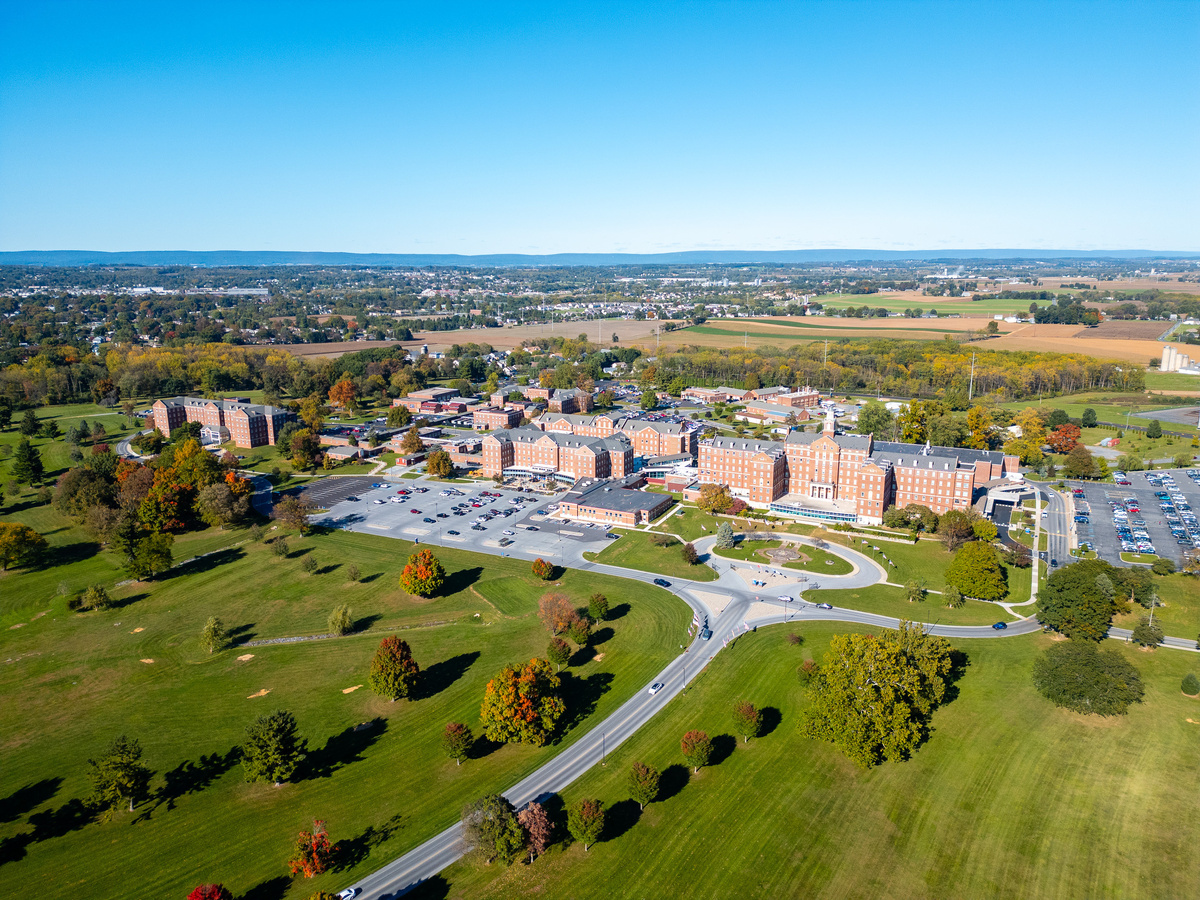
What Is the Rural Health Transformation Program?
The Rural Health Transformation Program (RHTP) is a landmark $50 billion, five-year federal initiative administered by the Centers for Medicare and Medicaid Services. Signed into law in 2025, it provides every state with dedicated funding to stabilize and modernize rural healthcare infrastructure.
Specifically, the RHT program outlines that the Centers for Medicare & Medicaid Services will spread $10 billion each year throughout the U.S. during the 2026 through 2030 fiscal years, for a total of $50 billion over the five-year span. Rural populations, number of rural health facilities, other state characteristics, and state-proposed initiatives determined which states receive the most financial aid, with the proposals needing to include initiatives related to the RHT program’s five goals, per CMS:
- Promoting preventive care and chronic disease management
- Improving rural providers’ efficiency and financial sustainability
- Recruiting and retaining rural healthcare workers
- Developing more flexible and value-based payment models
- Improving access to technology like digital health tools
RHT funds flow directly to state governments, which then deploy dollars through provider-facing programs, grants, and new payment models. All 50 states received their first-year allocations in FY 2026 — meaning funding is available now.
States are required to invest in at least three core activity areas, including technology-driven solutions, workforce development, and access to care. Environmental monitoring infrastructure is squarely within the technology and patient safety categories states are actively funding.

Where Does Environmental Monitoring Fit in RHT?
RHT funding extends well beyond clinical services. States are explicitly authorized to direct RHT dollars toward technology infrastructure that improves patient safety, operational efficiency, and care quality in rural facilities.
OneVue Sense® Environmental Monitoring by Primex aligns directly with these RHT-eligible technology categories. It relieves burden on stretched-thin staff, protects rural hospital’s hard-to-come-by assets, and can alleviate overhead expenses by proactive protection.
OneVue Sense Temperature Monitoring protects medications and vaccines and ensures they’re stored at proper temperatures. Continuous temperature monitoring maintains medication and vaccine efficacy, prevents costly losses, and follows compliance standards set by The Joint Commission and the CDC’s Vaccines for Children Program.
With around-the-clock remote visibility on a web-based software platform, rural hospital staff can access storage unit temperature data anywhere and at any time. The elimination of manual data logging frees up staff for more pressing tasks, and on-demand report generation makes audit situations simple.
When building an RHT funding proposal, frame environmental monitoring as a patient safety and technology investment that reduces waste, strengthens compliance, and improves operational resilience — core outcomes states must demonstrate to CMS.

How to Use RHT Funds for an Environmental Monitoring Upgrade
RHT funds are managed at the state level, so the path to funding an environmental monitoring system runs through your state's programs. Here's how to move from interest to funded project:
1. Confirm Your Eligibility
Verify that your facility qualifies as a rural provider under your state's RHT criteria. This typically includes Critical Access Hospitals, rural Prospective Payment System hospitals, Federally Qualified Health Centers, and Rural Health Clinics.
2. Identify Your State's RHT Lead
Contact your State Office of Rural Health or state Medicaid agency to ask how RHT funds are being deployed and whether a technology or IT infrastructure track is open for applications. Many states are finalizing their provider-facing program structures now.
3. Watch for RFPs and Grant Opportunities
States will likely issue Requests for Proposals or grant applications for specific RHT program tracks. Sign up for alerts from your state hospital association, primary care association, and rural health office to be notified when technology-related opportunities open.
4. Build Your Project Concept
Develop a concise funding narrative that connects OneVue Sense to RHT goals. Key elements include: the patient safety or compliance challenge being solved, how environmental monitoring addresses it, the specific RHT category it falls under (technology infrastructure, IT advancement), and measurable outcomes such as eliminated manual logs, reduced spoilage incidents, and improved compliance audit readiness.
5: Engage Your OneVue Sense Representative Early
OneVue Sense can provide product documentation, data, and compliance alignment resources to strengthen your proposal. Reach out before your application deadline.
Start Planning Your RHT Investment Today
Rural Health Transformation funding is moving. States are building their provider-facing programs now, and the facilities that are best positioned will be the ones that have already done the groundwork.
Fill out the form to connect with a Primex specialist. We'll walk through your facility's monitoring needs, show you how OneVue Sense addresses them, and help you frame the investment in a way that aligns with your state's RHT priorities — so you're ready to move when funding opportunities open.
Here's what to expect:
-
A no-pressure conversation about your current environmental monitoring setup and any gaps
-
A look at how OneVue Sense can alleviate rural healthcare team burden, protect scarce and irreplaceable assets, and easily prove compliance for expedited compliance audits
-
Guidance on how to position an environmental monitoring upgrade within an RHT funding proposal
The right investment now saves time, money, and risk down the road. Let's scope out your project.
Connect with a Primex Specialist
-
"OneVue Sense took our vaccine monitoring from a clipboard process to an automated system. When surveyors come in, we pull up the dashboard and hand them the report. It's changed how we handle compliance entirely."
Director of Quality & ComplianceRural Critical Access Hospital -
We had a refrigeration failure over a holiday weekend. OneVue Sense alerted our on-call staff within minutes. We saved thousands of dollars in medications and avoided a reportable incident. That's the ROI you can't put a number on.
Pharmacy DirectorRural Health Clinic -
With lean staffing, we simply can't have someone manually checking temperatures around the clock. OneVue Sense gives us continuous monitoring and instant alerts, so our team can focus on patients instead of clipboards.
VP of OperationsFederally Qualified Health Center